5 Sassafras Tree Saplings Seedlings Starter Tree Bundle
$69.95
In stock
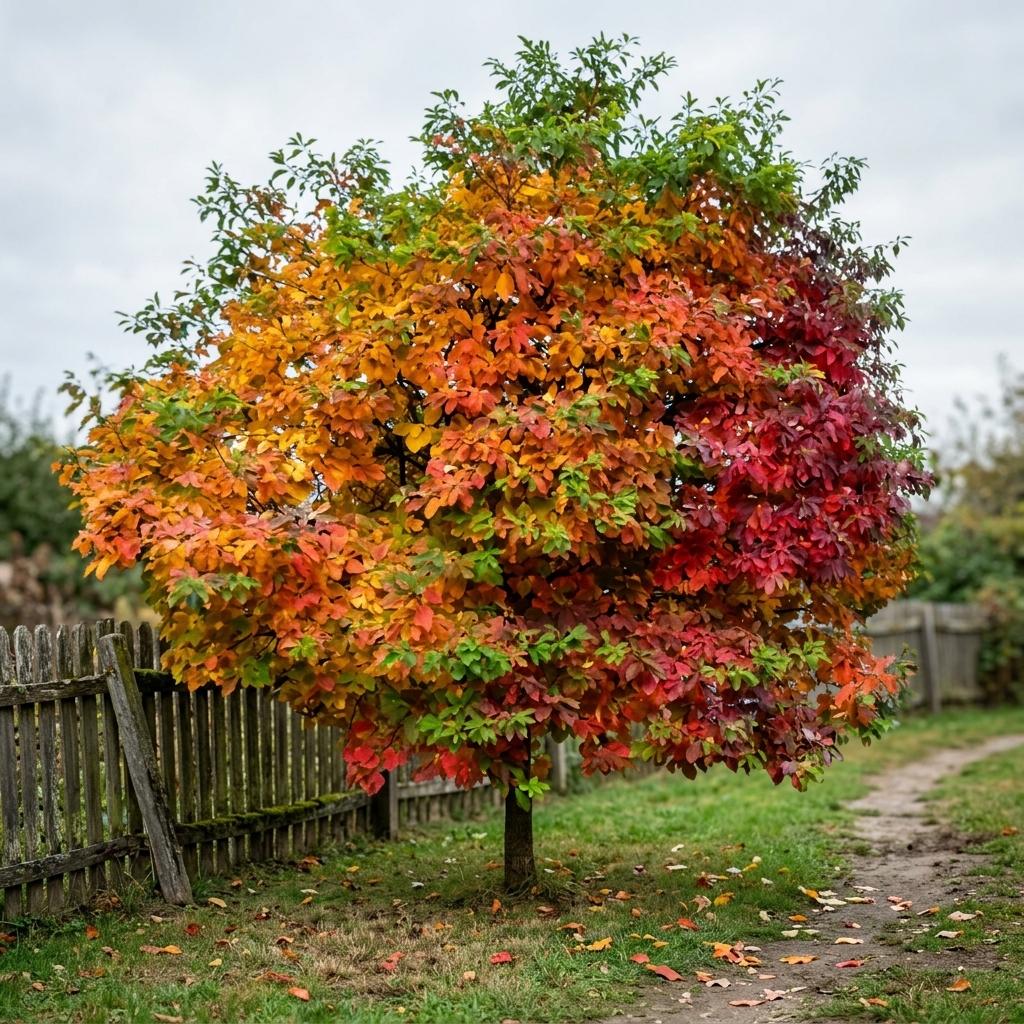
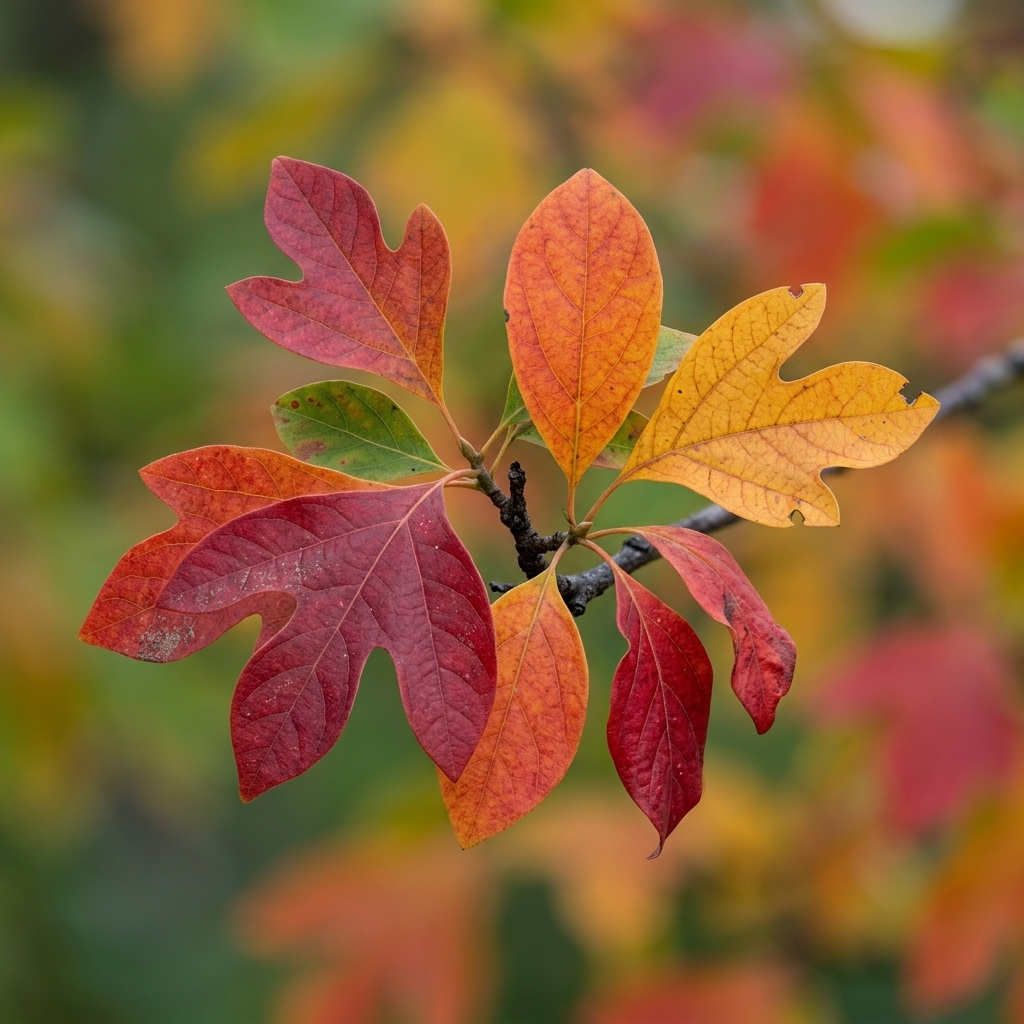
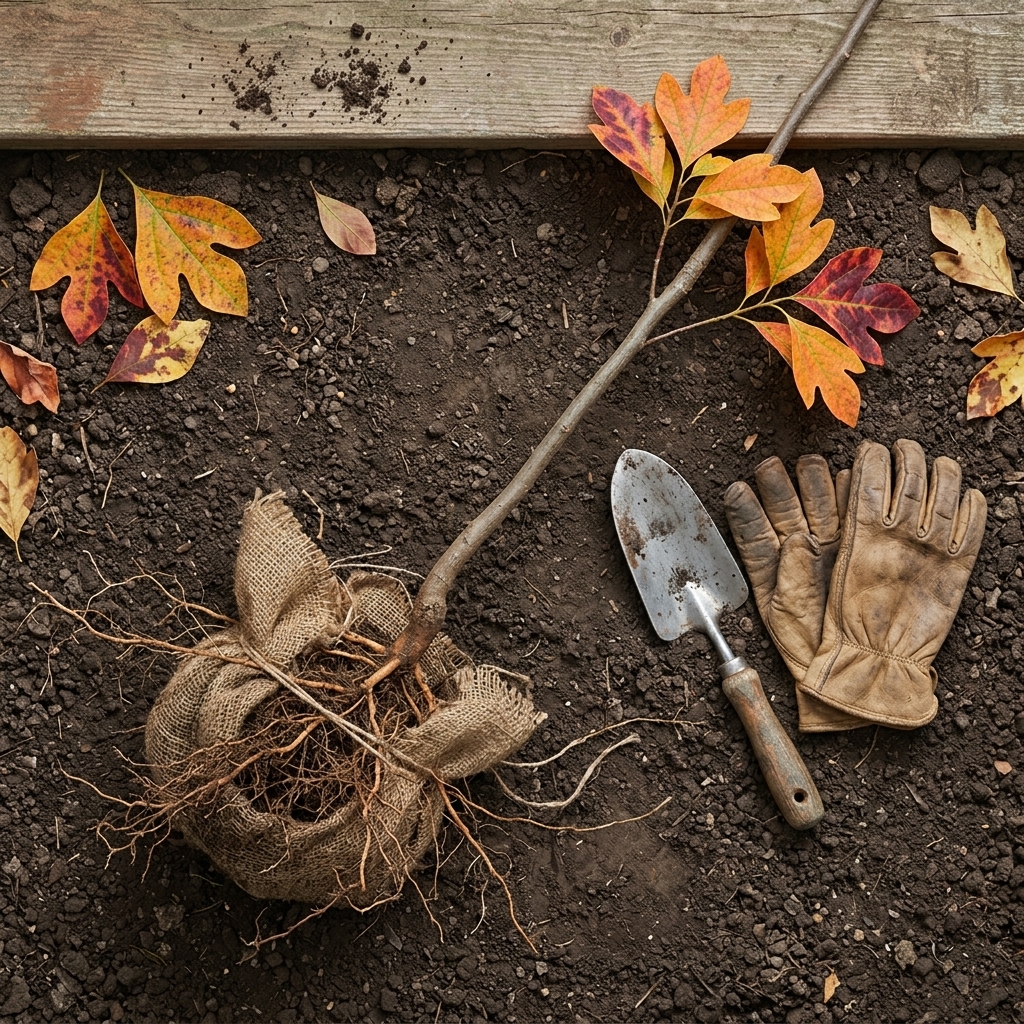
Bring bold seasonal color to your landscape with this sassafras tree bare root nursery stock. Known for its distinctive mitten-shaped leaves and brilliant autumn foliage, it grows into a full, rounded specimen tree with orange, gold, red, and green tones that make any yard stand out.With Root Feeder The sassafras tree (Sassafras albidum), native to eastern North America (including Kentucky), is a versatile plant with historical, medicinal, and ornamental uses. Here’s a full breakdown: Now is the good time to order its cooler weather for plants to travel. The product is a set of organic Sassafras trees, bare root and ready to plant. These trees are approximately 3 to 11 inches tall and are suitable for planting in any season. The common name is Sassafras, and they are green in color. This set of trees is perfect for those looking to add to their yard or garden with high-quality, organic plants that will thrive in various weather conditions. The sassafras tree (Sassafras albidum), native to eastern North America (including Kentucky), is a versatile plant with historical, medicinal, and ornamental uses. Here’s a full breakdown: ⸻ 🌳 Uses of Sassafras Tree 1. Culinary • Leaves: Dried and ground into filé powder, used in Cajun/Creole cooking (e.g., gumbo). • Root bark (historical): Used to flavor root beer and teas — though now limited due to safrole content (see safety note below). 2. Medicinal (Traditional Use) • Used by Native Americans and herbalists for: • Treating fevers, colds, skin problems • Acting as a blood purifier and spring tonic 3. Aromatic • The bark and roots have a strong, sweet-spicy aroma. • Used in homemade potpourri or natural insect repellent. 4. Wood • Lightweight, fragrant, and decay-resistant. • Used in furniture, boat building, and carvings. 5. Wildlife • Provides food and habitat: • Leaves host spicebush swallowtail and tiger swallowtail caterpillars. • Fruit (dark blue drupes) attracts birds and small mammals. Care and Growing Tips 🌞 Light: • Full sun to partial shade (more sun = faster growth). 🌱 Soil: • Well-drained, slightly acidic to neutral soil. • Tolerates sandy or loamy soil types. 💧 Watering: • Water regularly when young. • Once established, it’s fairly drought-tolerant. ✂️ Pruning: • Prune to shape or remove suckers (it spreads by root suckers and can form thickets). • Best done in late winter or early spring. 🐛 Pests/Disease: • Generally low-maintenance. 🌿 Propagation: • Easily spreads via suckers (shoots from the base/root system). • Can also grow from seeds or root cuttings. ( No guarantee ) But I always send fresh from the ground spring or fall but not when there's snow or icy weather.
Earth's Rx